What happened
SDS urged policymakers at Westminster events to make retrofit central to UK water resilience policy, according to its account published on 11 August 2026, which identified schools, commercial premises and public infrastructure alongside existing homes as targets for action.
The company said it attended the All-Party Parliamentary Group for Sustainable Flood and Drought Management meeting at the House of Lords on 14 July. Lord Taylor of Holbeach hosted the meeting in Room G of the Lords Committee Rooms, with Lee Pitcher MP chairing it.
According to SDS, the discussions examined how planning, innovation and water resource management could support resilience to flooding and drought over the longer term. The company said the events brought policymakers together with water specialists and industry representatives to consider practical responses to water security challenges.
SDS argued that principles being developed for dual-pipe systems in new buildings should also be applied to retrofit projects. Its position was that extending those principles to existing properties would have a greater impact than restricting their application to new developments.
The company said it intended to continue working with government, academic and industry stakeholders to turn policy ambitions into solutions that could be deployed more widely. Its account also acknowledged contributions to the report and discussions from Dr Julia Buckley MP and George Warren.
The background
SDS based its case on the limited annual reach of new-build requirements. Comparing approximately 200,000 new UK homes a year with an existing stock of more than 26 million, it argued that standards applying only to new housing would cover well under 1% of homes annually.
The earlier Westminster event was the launch of Policy Connect’s Bricks and Water report at the House of Lords, hosted by Baroness McIntosh of Pickering, according to SDS. The company said participants included representatives of government, industry and academia, with discussion covering sustainable water management and adaptation to climate change.
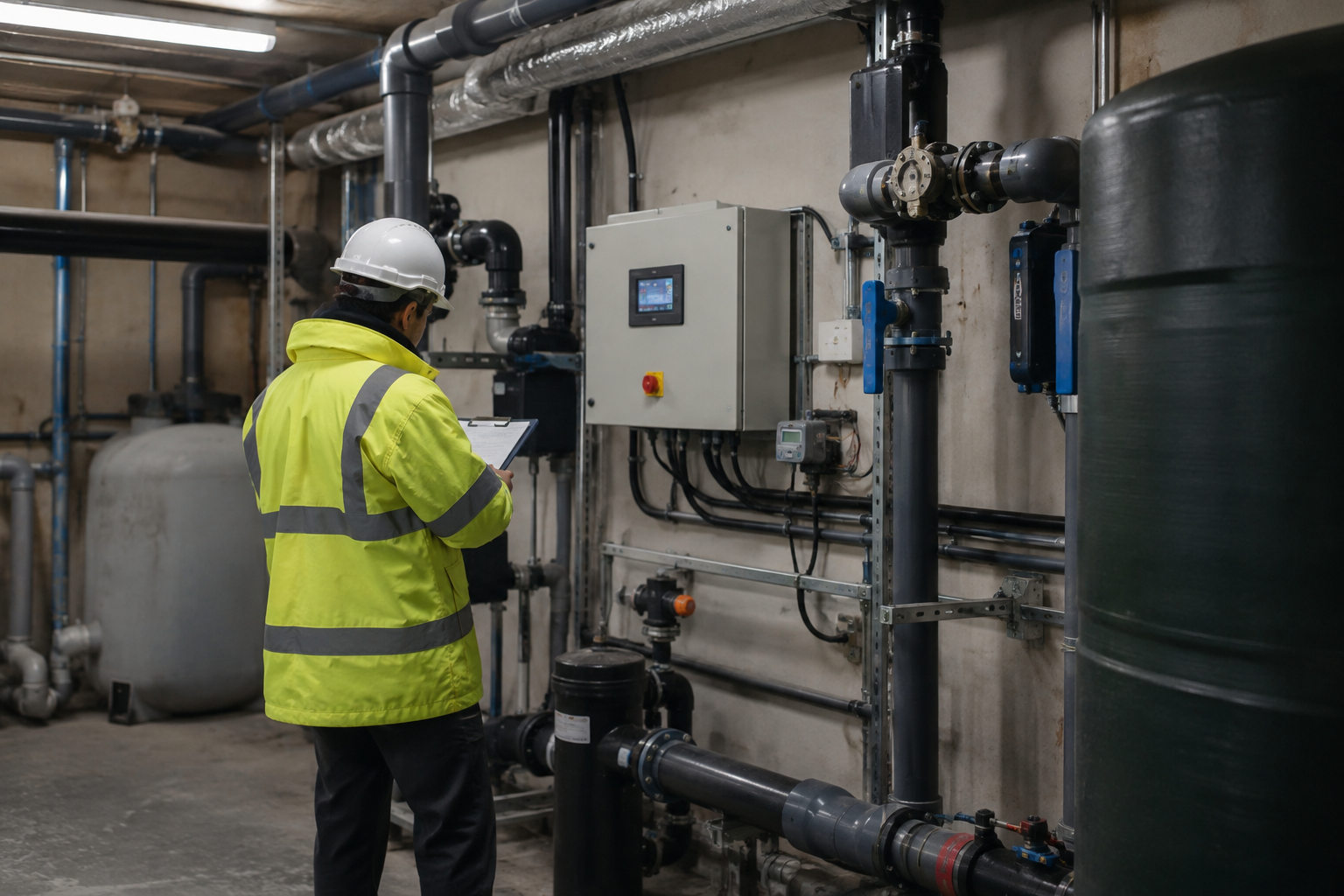
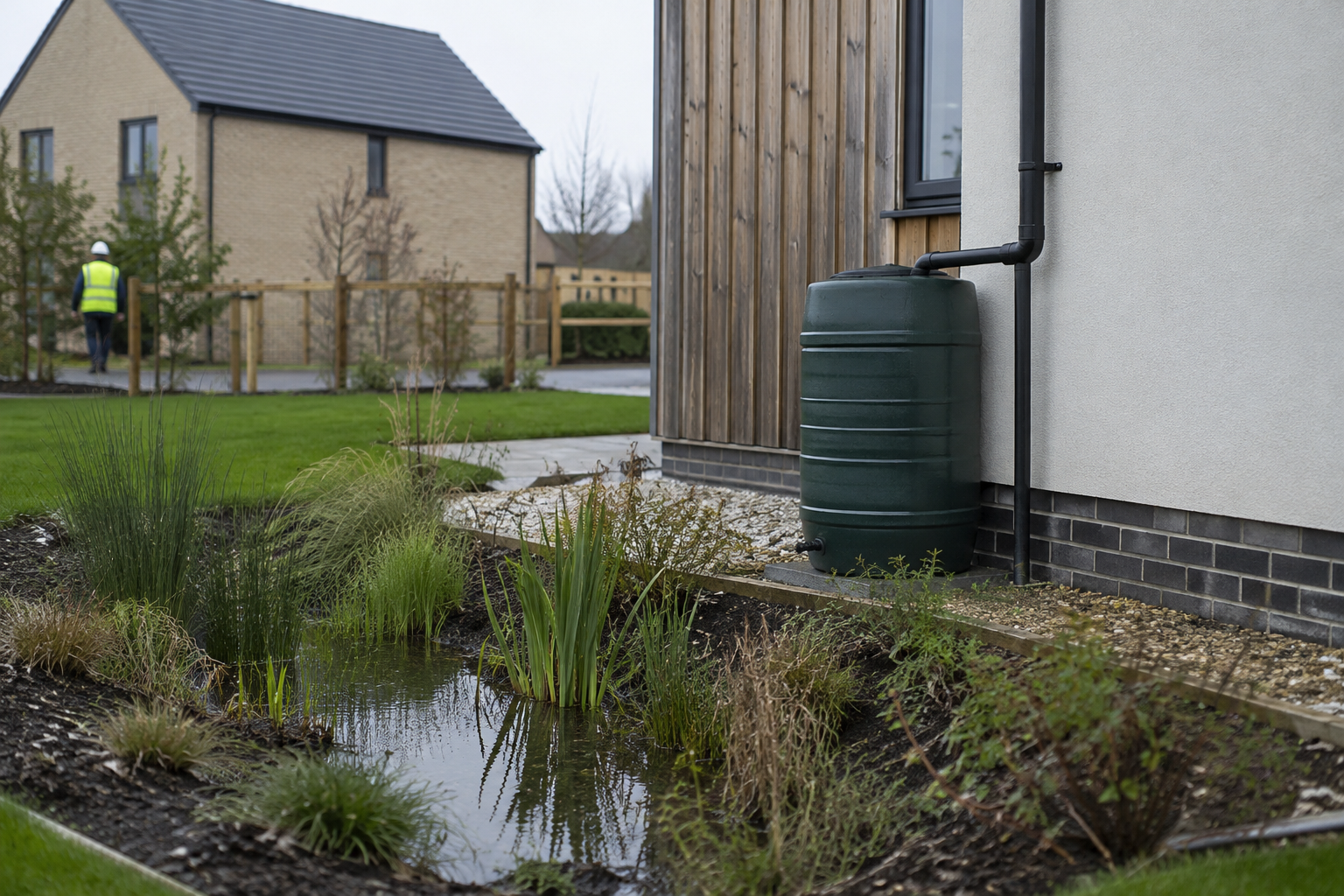
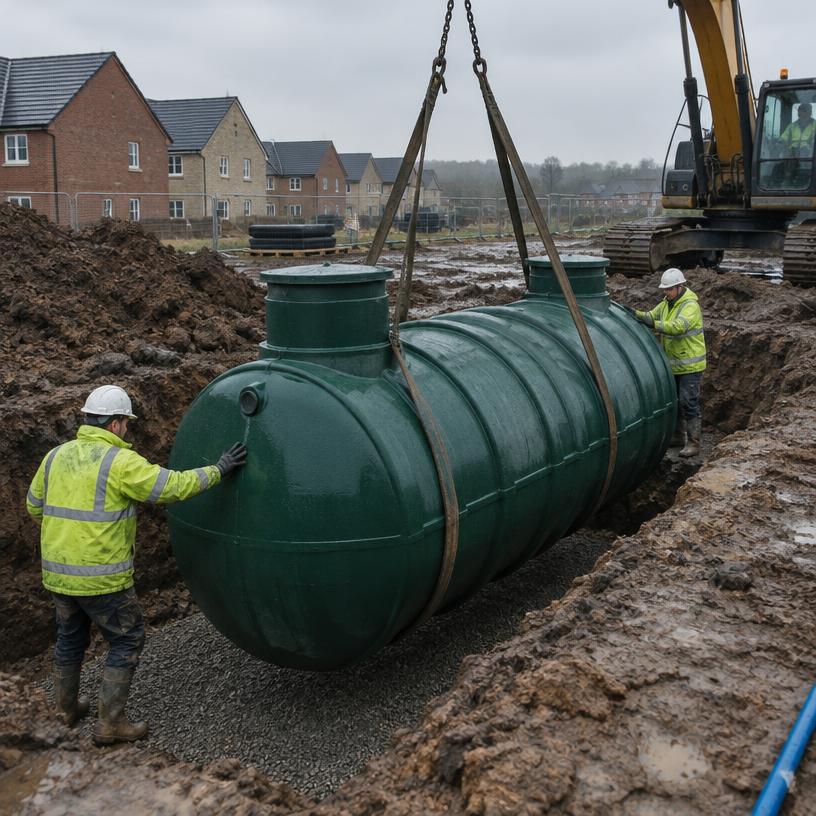
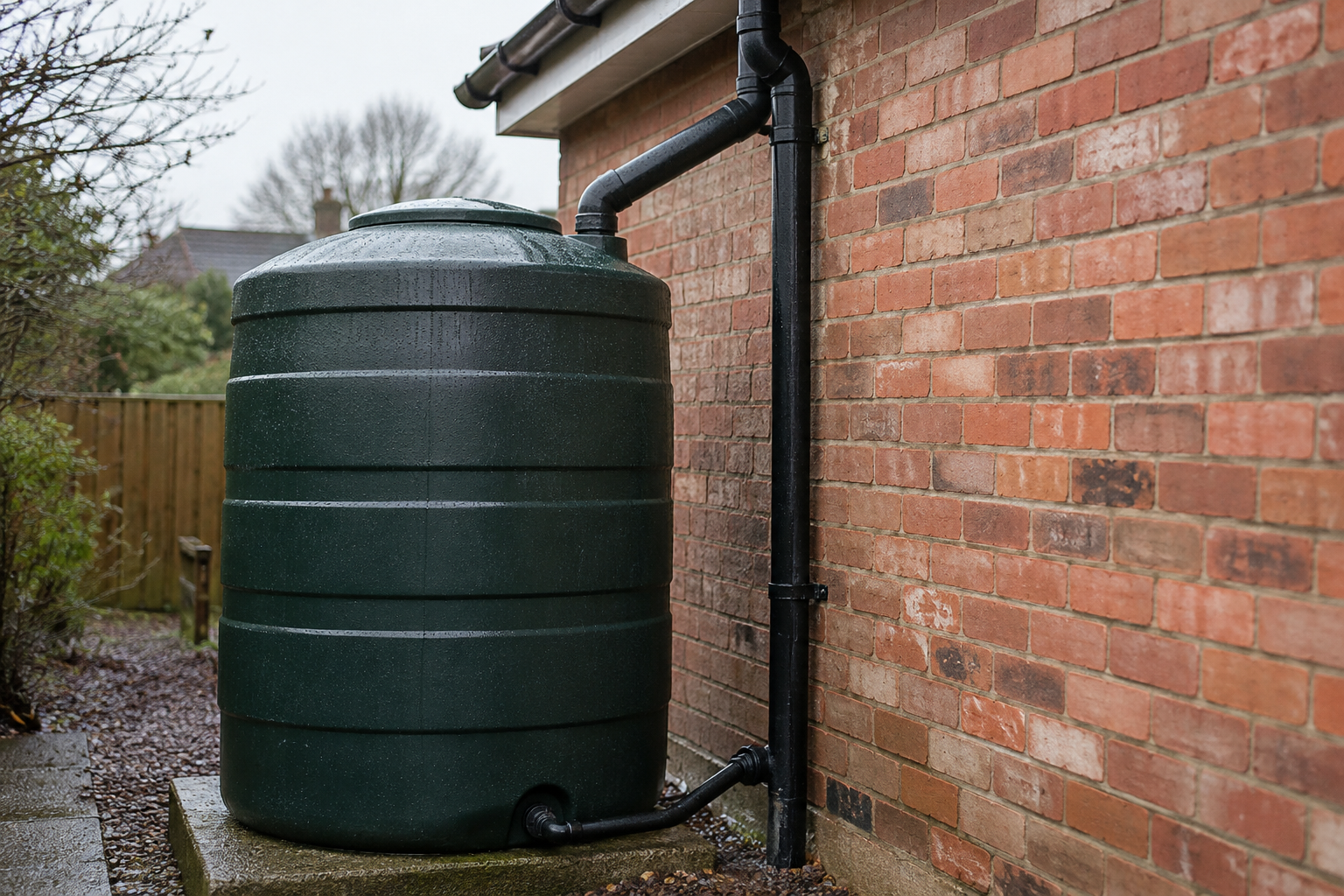
For existing buildings, SDS identified intelligent rainwater harvesting and water reuse systems as technologies that could support retrofit. Its account placed the capture of rainfall at source within its proposed approach to managing water across the existing built environment.
What people are saying
SDS welcomed the increased attention being given to water reuse in sustainability policy. The company described moves towards dual-pipe standards as a way to incorporate water efficiency into buildings from the outset.
In its account, SDS presented the Westminster meetings as opportunities for researchers, policymakers and industry specialists to develop practical responses to climate adaptation challenges. The account set out the company’s position without providing direct quotations from individual speakers.
What happens next
SDS’s account gave no timetable for changes to policy or delivery of retrofit installations. It did not report a government commitment to adopt the company’s proposals.
The account also left the proposed implementation arrangements unspecified: it identified no retrofit funding programme, installation targets or technical requirements for existing buildings. Its call for wider deployment therefore did not establish a delivery programme for building owners, designers or contractors.