What happened
Jon Fawcett, head of technical at Keyline Civils Specialist, warned that prolonged hot, dry weather is adding to UK surface water flooding pressures, in commentary published by Flood Industry on 14 October 2026. His comments appeared during Flood Action Week and addressed the drainage implications of rainfall arriving after sustained heat.
Fawcett described a sequence in which ground hardened during dry weather receives a sudden downpour but cannot take in water at the rate it arrives. Water then collects above ground or travels over the surface, rather than soaking into the soil.
He also pointed to the amount of moisture that warmer air can retain. According to Fawcett, atmospheric moisture capacity increases by roughly 7% for each 1°C of warming, potentially allowing rainfall to arrive in shorter, more intense bursts when a hot spell ends.
The seasonal pressures are not confined to the transition out of dry weather, he said. During autumn and winter, extended rainfall can leave soil saturated, with little capacity to absorb further water. His commentary therefore identified wet ground as another constraint on infiltration, alongside the effects of prolonged heat.
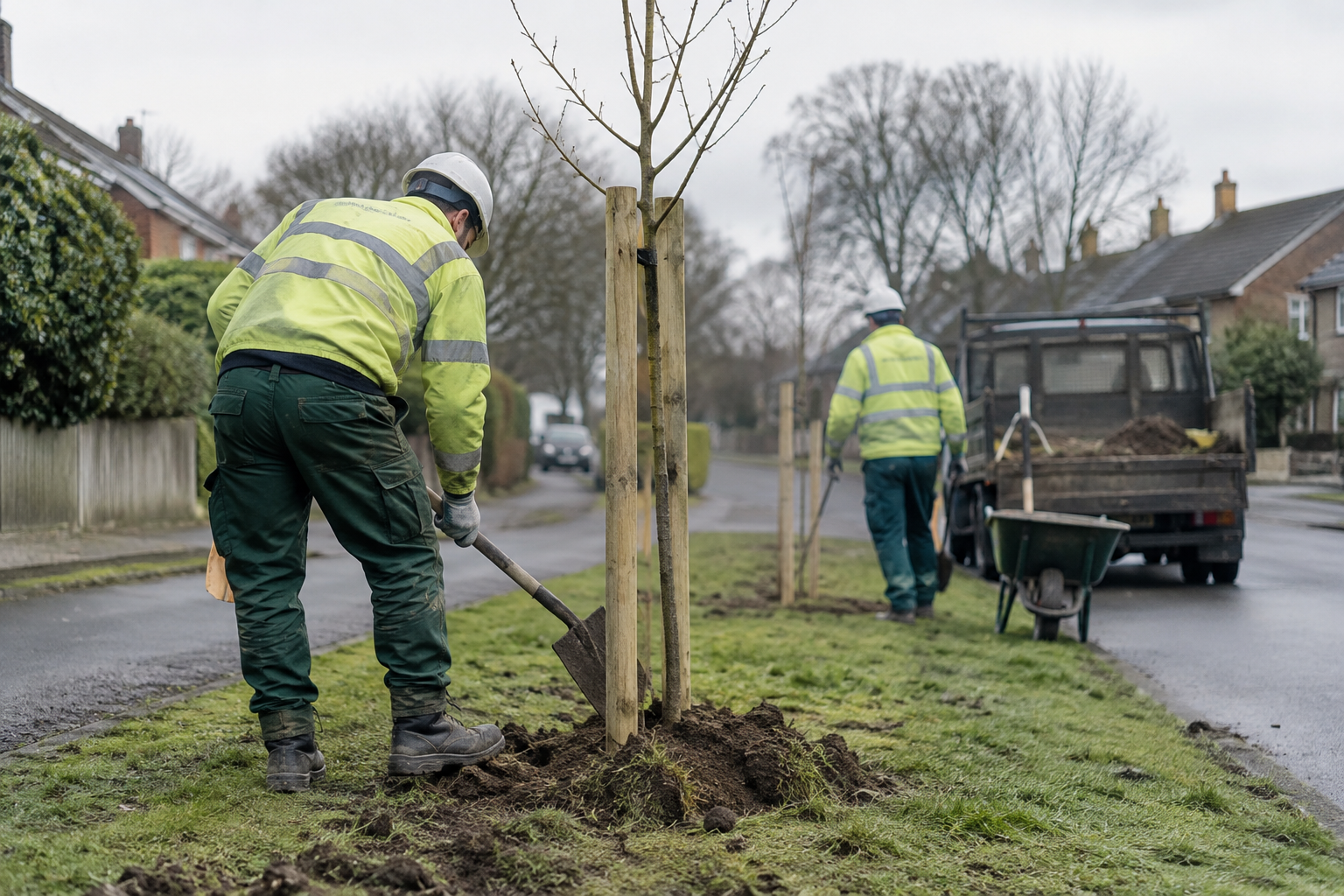
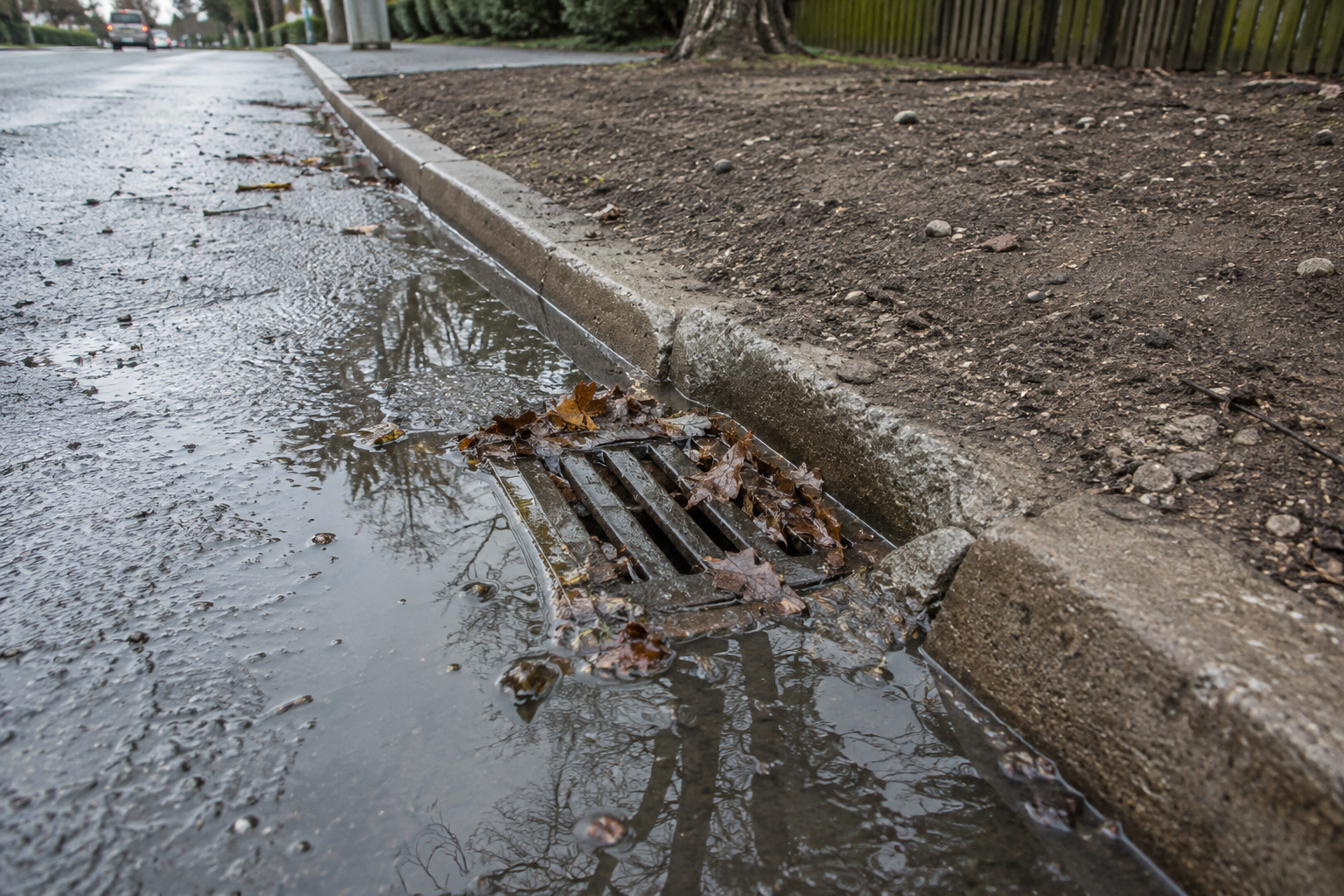
Fawcett said obstructions can also prevent rainfall from draining away quickly enough. Leaves and other debris in gullies, drains and culverts can restrict the performance of existing infrastructure, making drainage maintenance part of the response rather than relying solely on additional capacity.
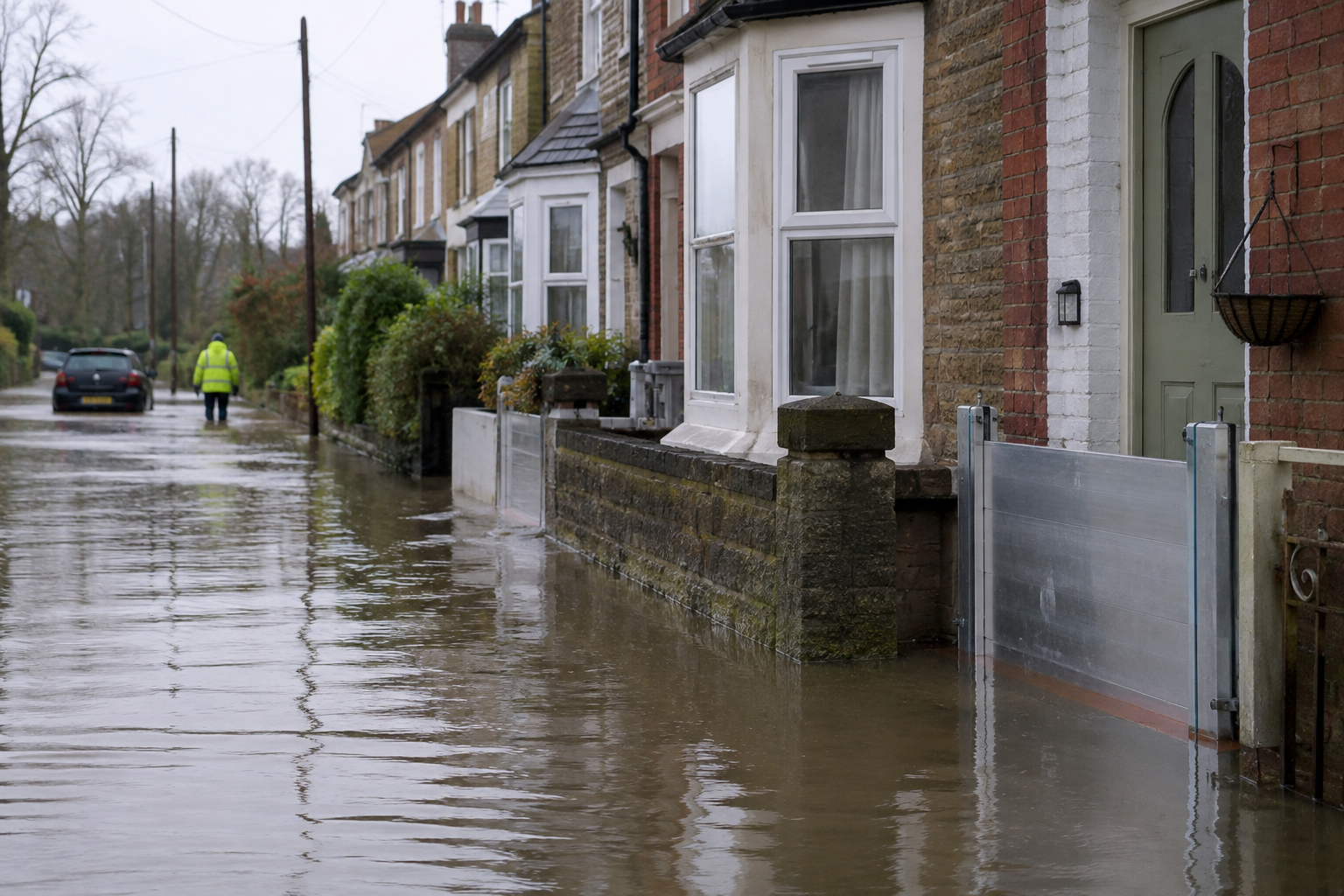
The consequences can develop quickly, according to Fawcett. He said surface water flooding can cause disruption to households and businesses, while leaving those affected facing repair costs and insurance claims.
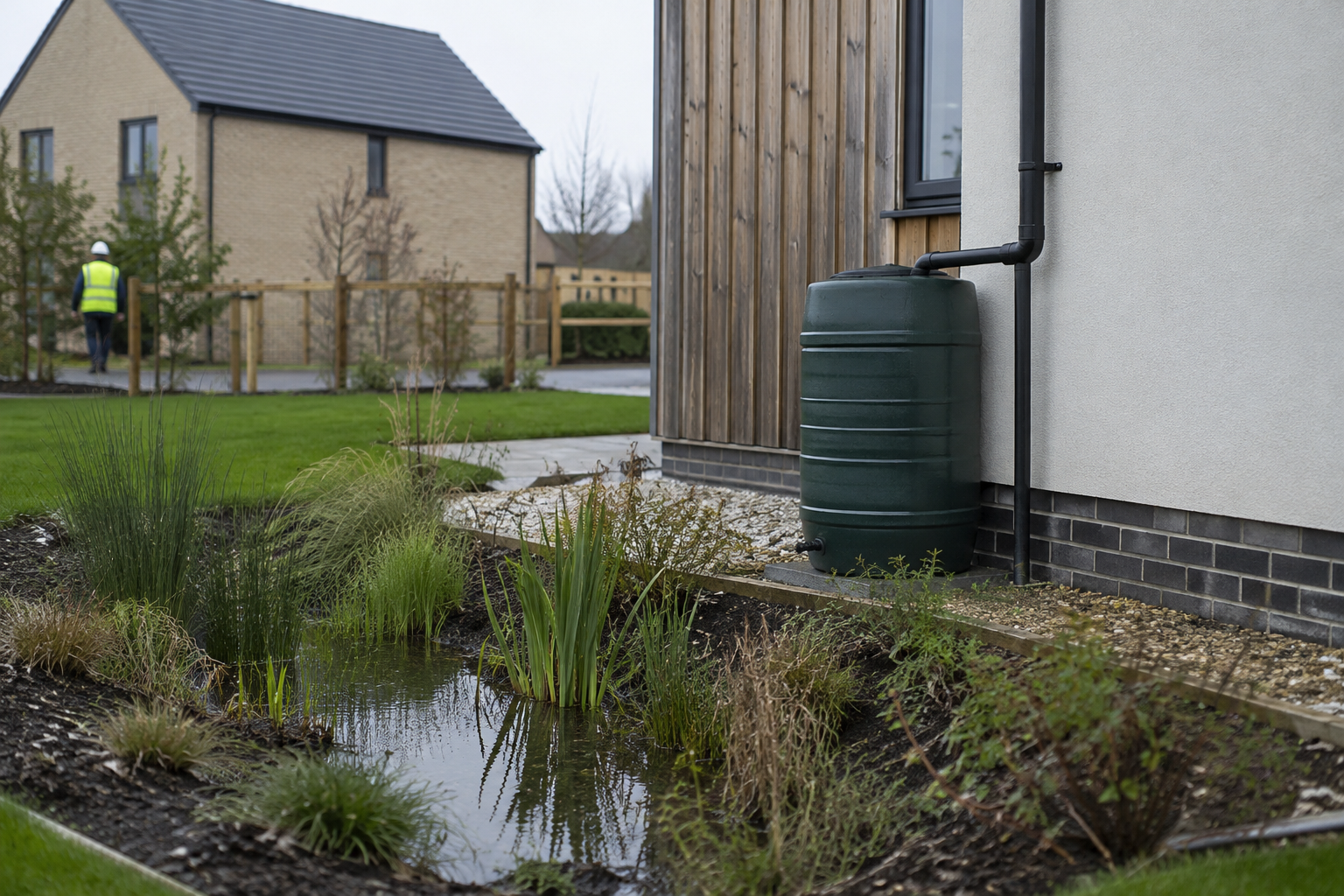
Among the approaches he advocated were sustainable drainage systems that manage rainfall near where it lands. He said these features can slow and store runoff, with infiltration included where ground conditions permit. That qualification makes the suitability of the ground part of his proposed approach, rather than treating infiltration as an option at every site.
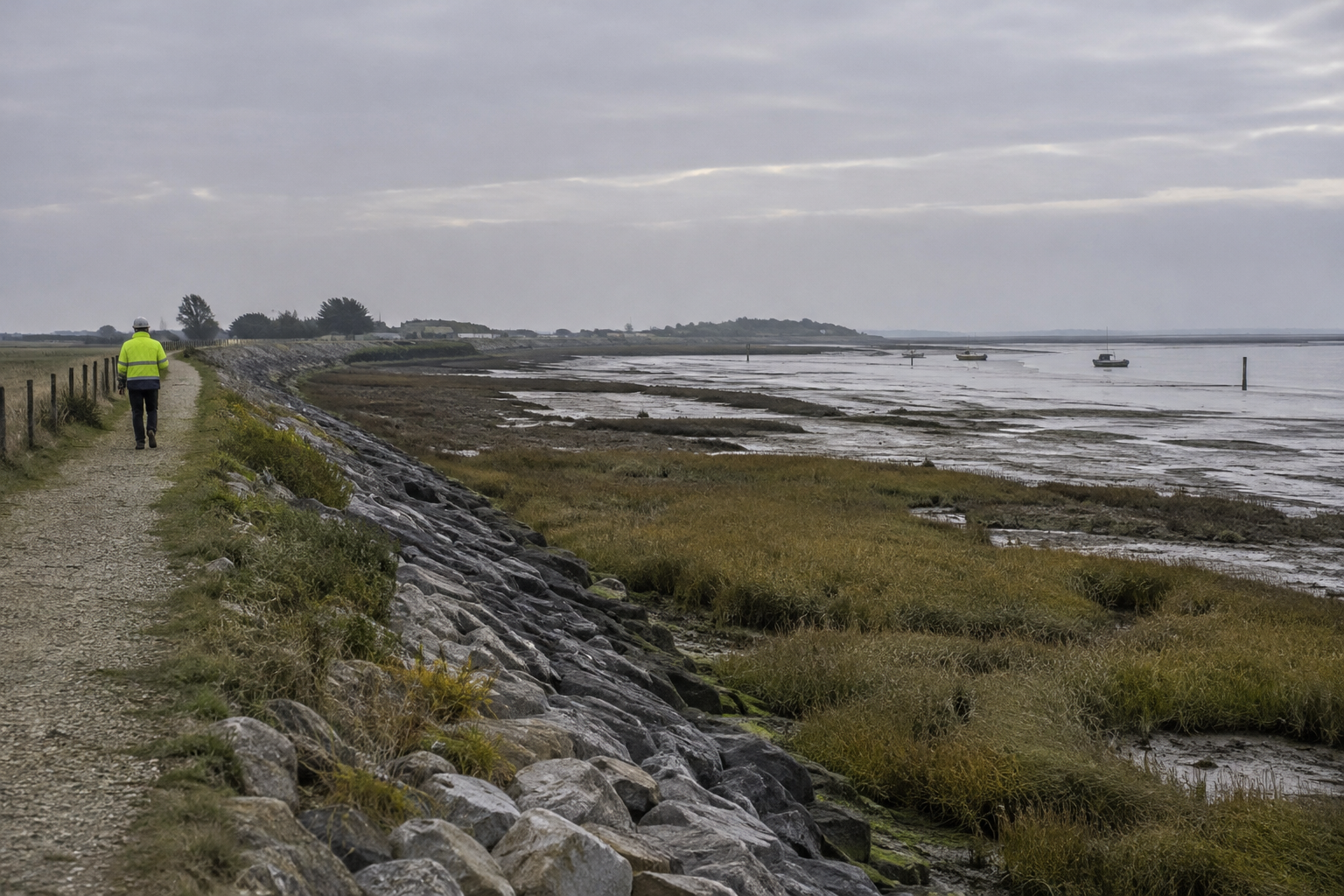
Fawcett also identified additional drainage capacity at both new and existing sites as a possible response. He called on the drainage and civils sectors to consider future water management needs alongside the government’s work on flood defences and public preparedness.
The background
The scale of exposure in England provided the context for Fawcett’s warning. Flood Industry cited an Environment Agency estimate that around 4.6 million of the 6.3 million properties at flood risk are in areas susceptible to surface water flooding, which the source described as the most widespread flood risk.
According to Flood Industry, the Department for Environment, Food & Rural Affairs (Defra) and the Environment Agency launched Flood Action Online for Flood Action Week 2026. The service brought flood preparedness information for England together in a single place.
The source said the online guidance covered checking flood risk, registering for flood warnings and receiving Met Office weather alerts. It also included information on measures intended to improve the ability of properties to withstand flooding, extending its coverage beyond warnings alone.
Flood Industry reported that £4.2bn is being invested in flood defences between 2026 and 2029. The figure referred to flood defence investment generally; the commentary did not identify a separate allocation for surface water drainage.
The commentary also cited a Met Office assessment that a developing El Niño could be the strongest since the 19th century, and that wetter, stormier UK conditions were likely during autumn and early winter. Flood Industry presented that outlook as a further potential pressure on flood risk.
What people are saying
Fawcett’s comments extended beyond development sites to changes within existing residential areas. He identified the conversion of front gardens into parking as one way hard surfaces are replacing ground that previously absorbed rainfall.
He also pointed to artificial replacements for natural grass as a contributor to the spread of impermeable surfaces. Roads built to serve housing developments were another example in his commentary.
Some drainage networks receiving the resulting flows are decades old, according to Fawcett. His warning therefore concerned infrastructure already in service, rather than only the design of drainage for future development.
What happens next
Fawcett proposed attenuation storage as a means of holding collected water temporarily before releasing it at a controlled rate. This was a recommendation for managing discharge, not an announcement of a storage project.
His maintenance recommendations also covered keeping channels clear, extending the scope beyond the gullies, drains and culverts discussed earlier. Fawcett said clearance work helps existing assets operate as intended.
The commentary did not set out delivery dates, identify sites for works or specify storage volumes. It presented options for the drainage and civils sectors to consider, rather than a funded programme.