
What happened
The Environment Agency (EA) unveiled Flood Action Online for households in England at the start of Flood Action Week, bringing flood risk checks and warning information into a single website, according to Flood Industry’s report dated 12 October 2026. The report did not give a separate launch date.
According to Flood Industry, the website helps residents find out whether their homes face flooding and access Met Office weather alerts during an incident. It also explains how to receive flood warnings, connecting information about a property’s exposure with services intended to help residents prepare.
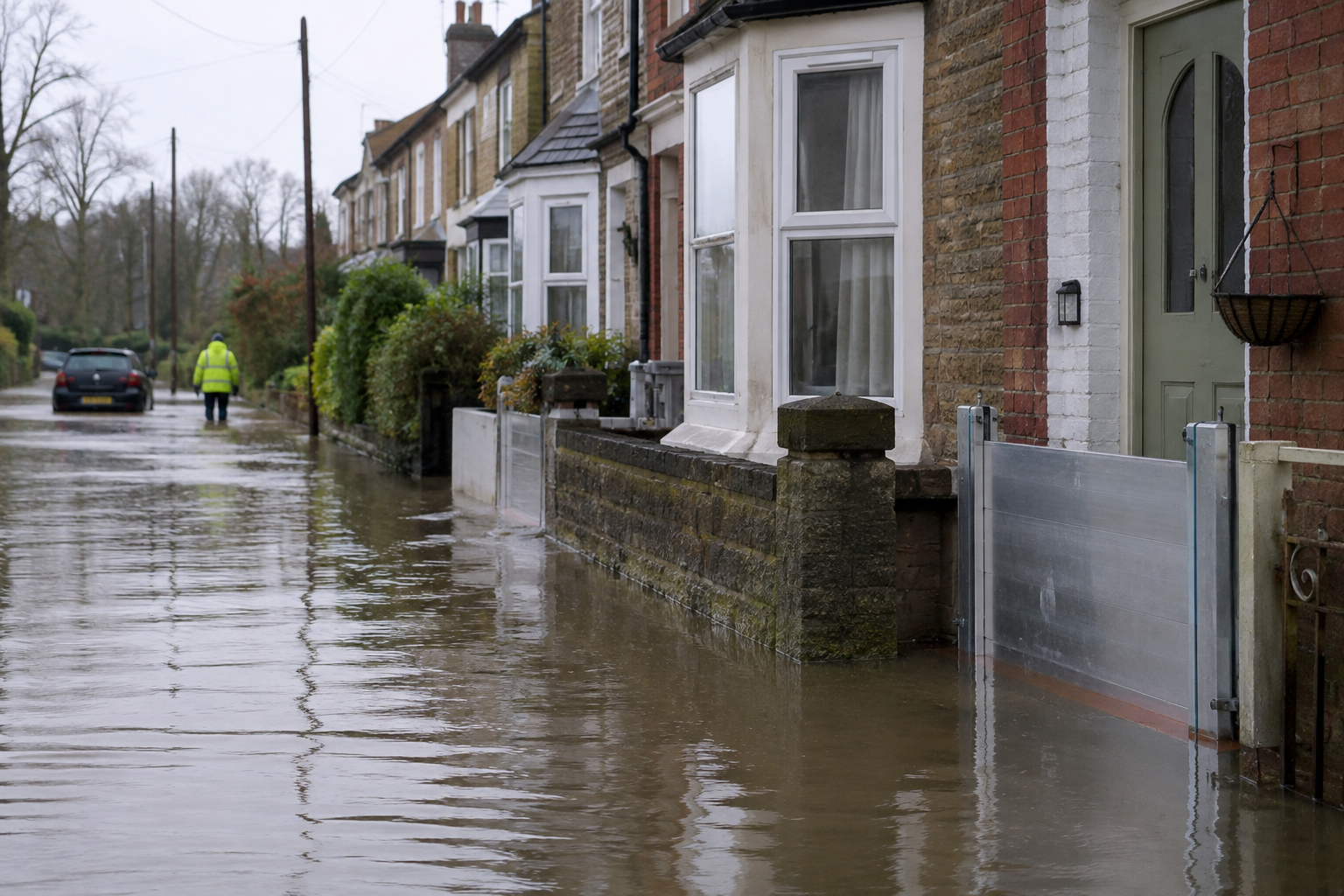
Homeowners can also find guidance on practical alterations to their properties, the report said. This includes property flood resilience measures, extending the website’s advice beyond checking risk and monitoring conditions to changes residents can make to their homes.
The government’s new target for 200,000 properties to benefit from flood defence investment carries an estimated £27.9bn economic benefit from avoided damage, according to Flood Industry. The report presented that figure as an expected benefit of the investment, rather than damage costs already avoided.
Floods Minister Emma Hardy encouraged residents to prepare a flood plan and act on warnings. In comments carried by Flood Industry, she said rapidly changing extreme weather required preparation, alongside government investment in defences.
The report also said the new Flood and Drought Resilience Taskforce was meeting for the first time that week to strengthen planning and response to extreme weather. Hardy said communities and businesses would be central to its work on defence plans.
Caroline Douglass, the EA’s executive director for floods, said the website was intended to make preparedness guidance easier to access. In comments reported by Flood Industry, she linked that advice with the agency’s continuing investment and maintenance work to protect communities.
The background
Hundreds of projects are expected to be completed under the government’s £4.2bn programme, according to Flood Industry. The programme runs through March 2029 and includes work on existing defences, through repairs and replacement, as well as construction of new assets; the report described its start only as “last April”.
Flood Industry reported that government spending of £2.65bn in its first 2 years had improved protection for almost 62,000 properties. That exceeded the original target of 52,000, providing a measure of delivery before the newly announced property target.
The report attributed a stabilisation in the condition of existing defences to that investment, following years of decline. It said 93% of flood defence assets met or exceeded their required condition at the end of March 2026, while EA teams continued maintenance work across the country.
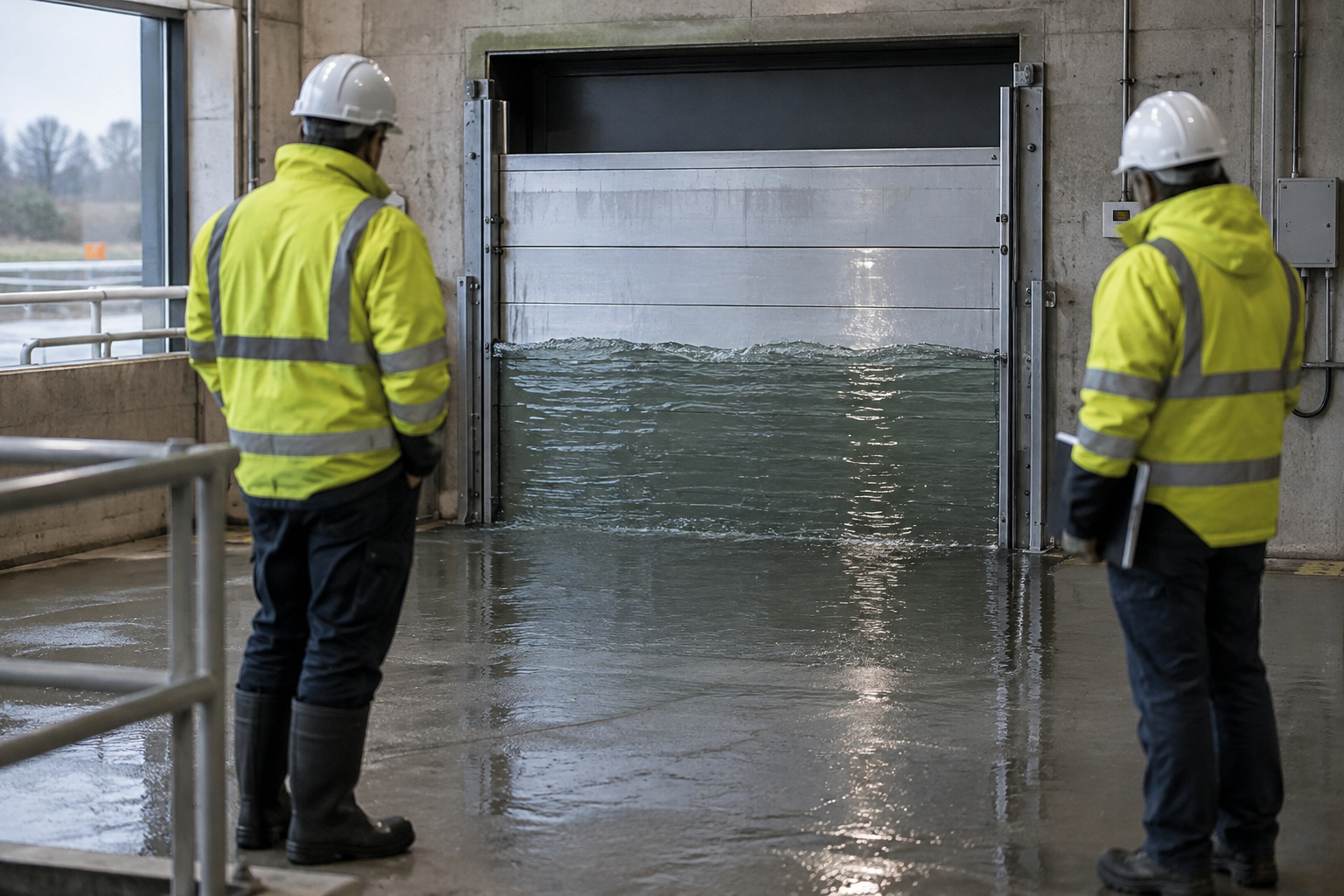
For incident response, Flood Industry said the EA maintains 260 mobile pumps, of which 17 are ultra-high-volume units. It also holds 25 km of temporary barriers for deployment where needed, supplementing permanent infrastructure with equipment that can be moved between locations.
The agency has 600 people on call at any time for its round-the-clock flood emergency response, according to the report. It also has plans to increase that response when required; Douglass said teams were ready to respond as winter approached.
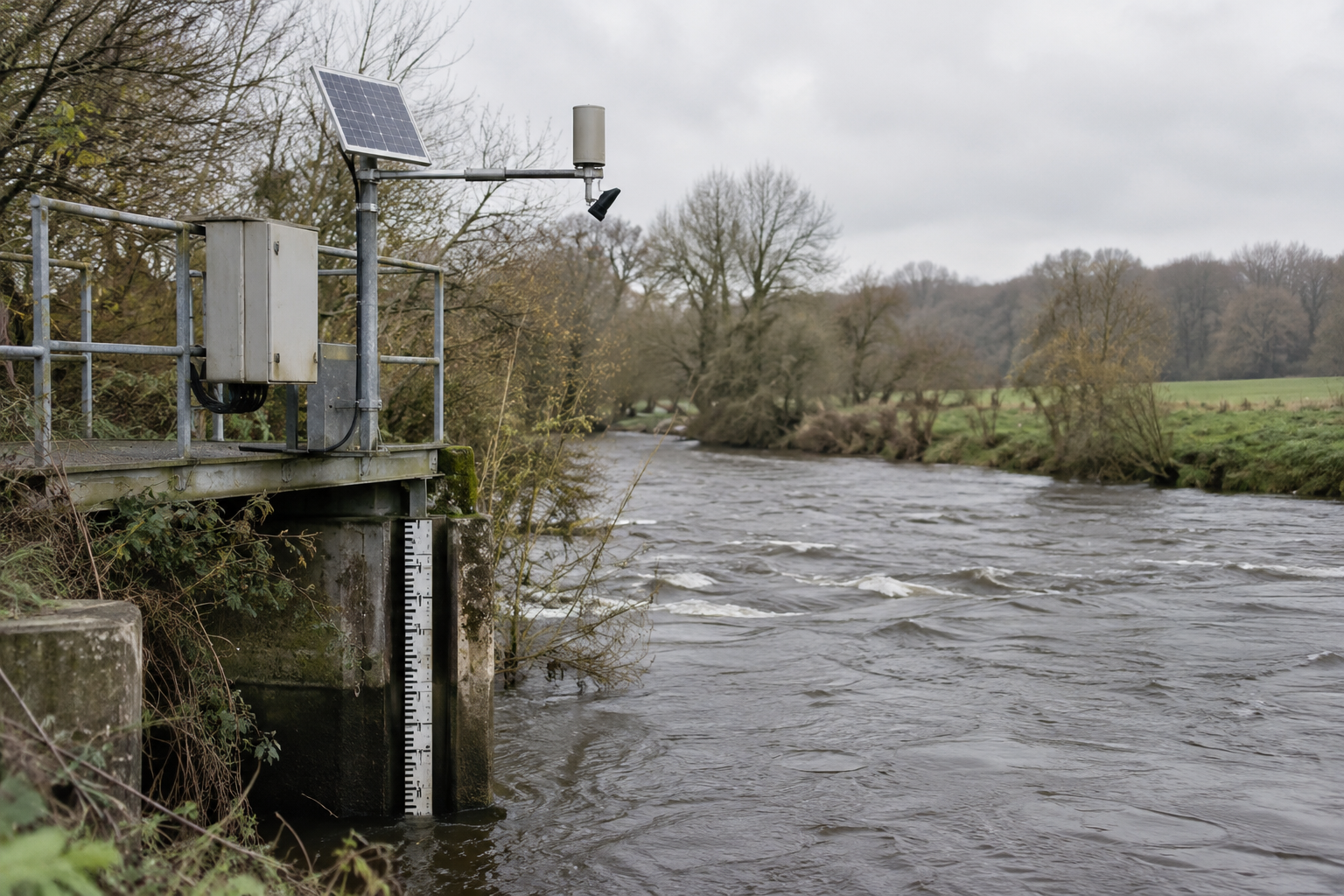
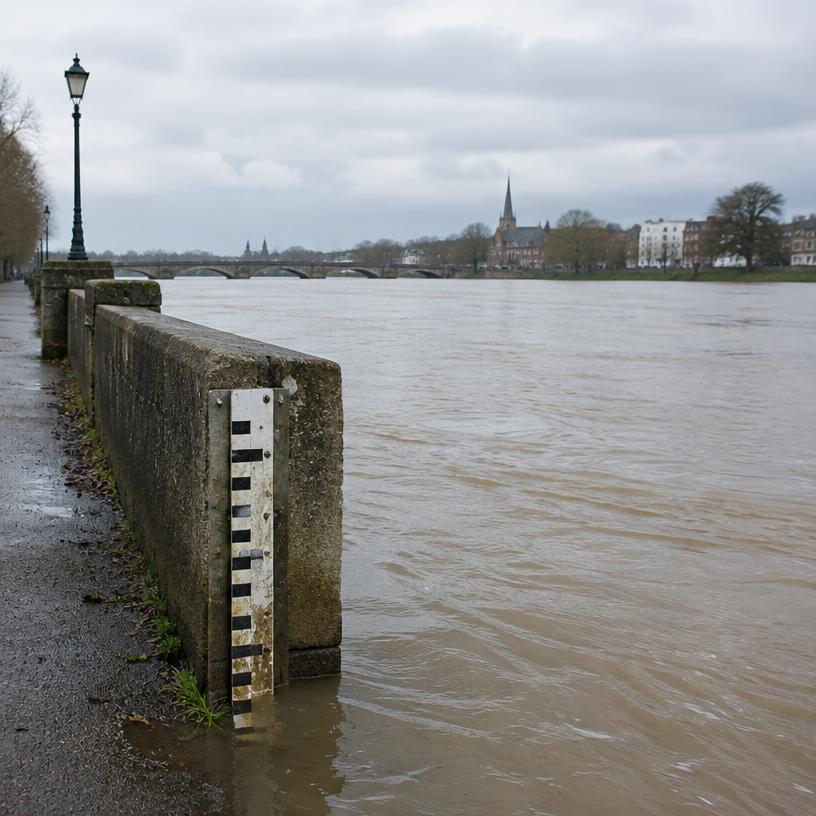
Alongside its operational resources, the EA provides free flood warnings, Flood Industry reported. The service is intended to give people time to prepare and reduce flooding’s effects on their lives.
What people are saying
Floods Minister Emma Hardy said the country was better prepared than ever for the challenges posed by flooding, in comments carried by Flood Industry. She attributed that readiness to the government’s investment and defence targets.
Caroline Douglass, the EA’s executive director for floods, said its investment and maintenance programme would sustain protection in the places with the greatest need, according to Flood Industry.
What happens next
Flood Industry placed the announcement within a wider government programme to prepare for drought as well as flooding and other extreme weather. The report noted that droughts and floods can occur simultaneously, giving the resilience agenda a broader scope than flood defences alone.