What happened
The University of Hull and the University of the West of England (UWE Bristol) jointly lead PFRnet+, a UK property flood resilience (PFR) network formed with researchers at Birmingham, Leeds and York, Flood Industry reported on 13 October 2026. The latter 3 universities contribute co-investigators, according to the report.
Flood Industry said the network will link academics with insurers, local authorities, government agencies, flood-risk consultancies, professional bodies and communities. Its remit includes identifying research priorities and strengthening the evidence behind measures intended to protect homes and businesses from flooding.
The collaboration draws on engineering and environmental science alongside economics, social science and data science, according to the report. It also includes expertise in policy and practice, bringing implementation questions into its property flood resilience research.
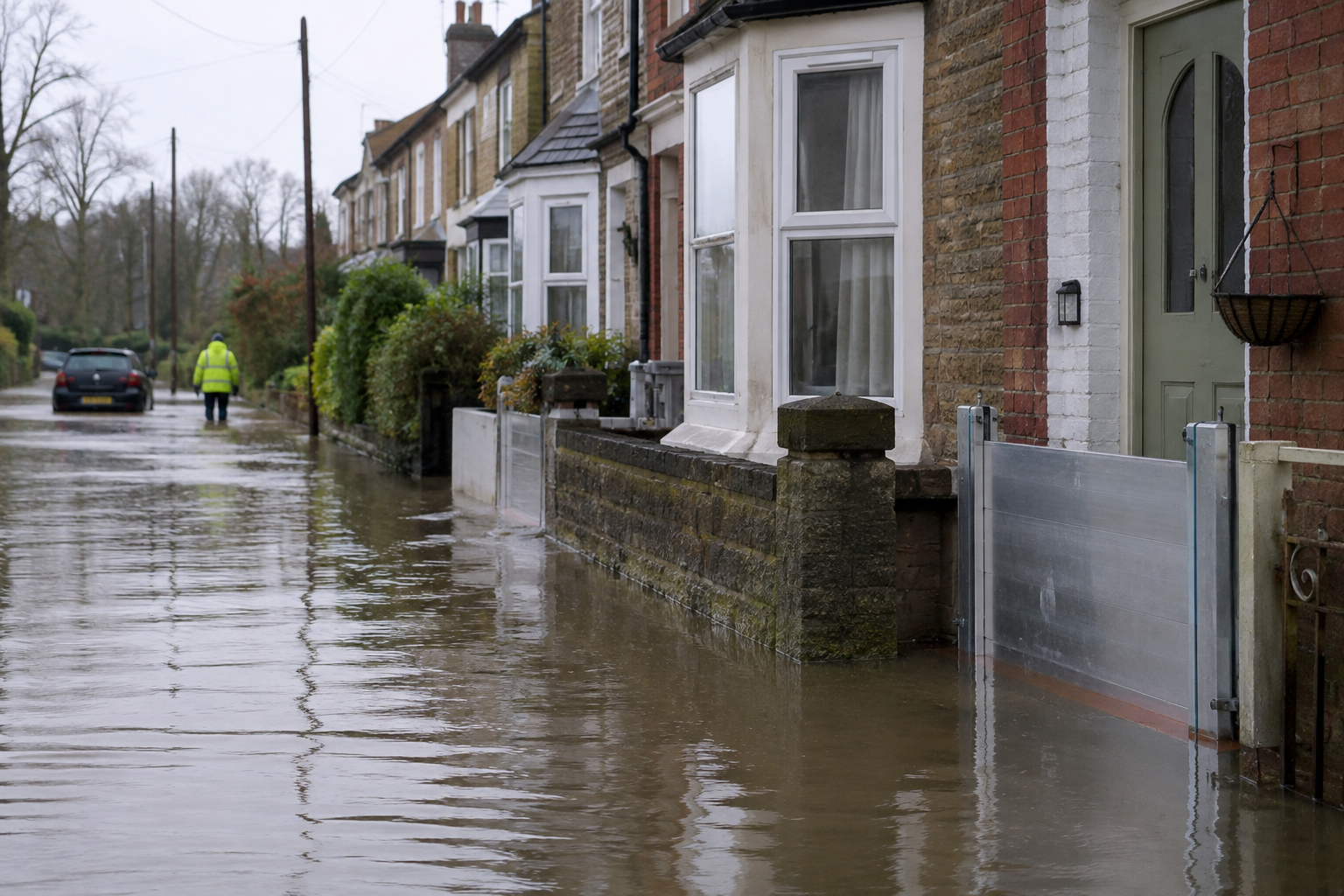
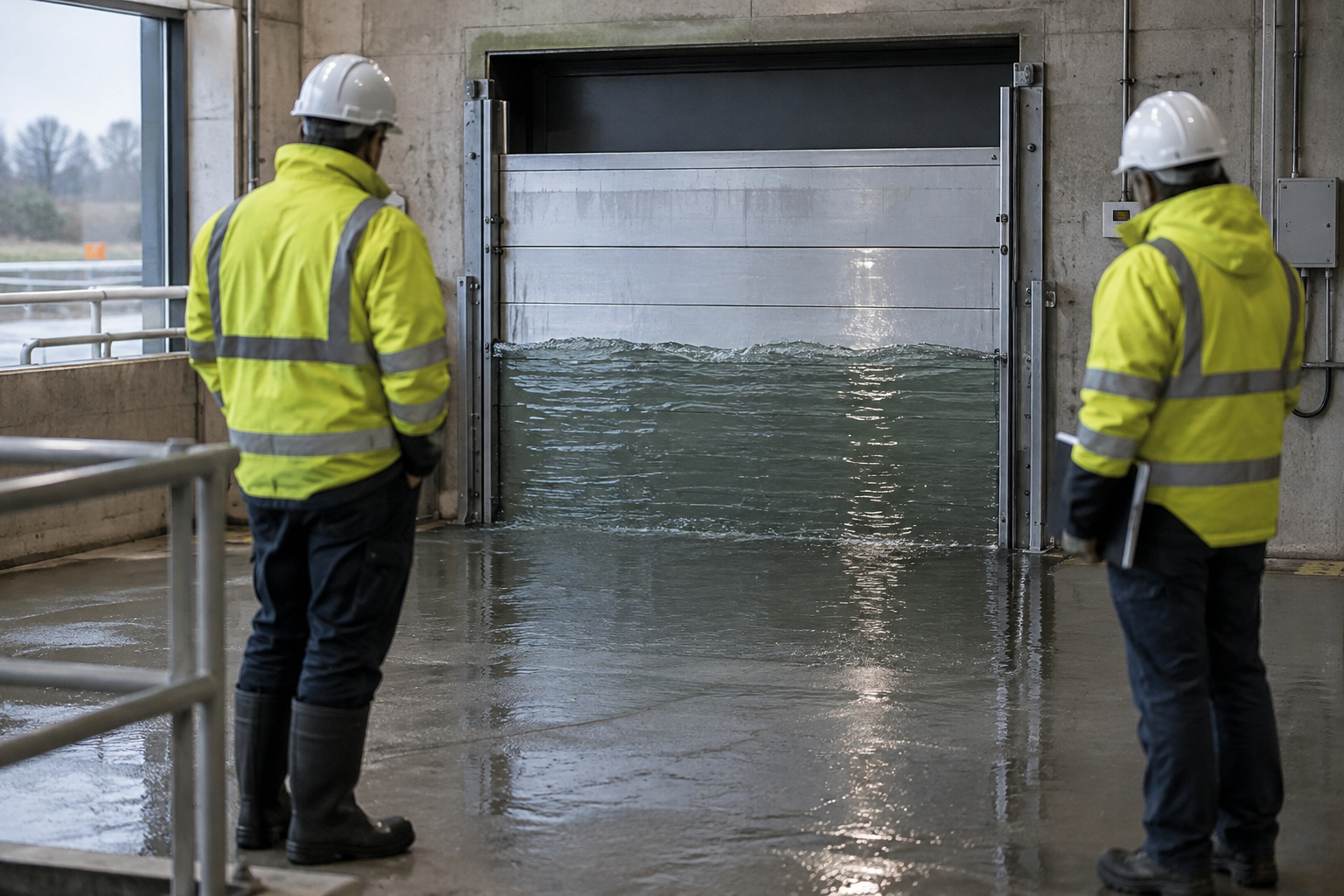
For manufacturers and building specialists, the programme includes work on improving confidence in protection products and the effectiveness of testing and standards, Flood Industry reported. Research will also address resilient construction materials, buildings and options for retrofitting existing properties.
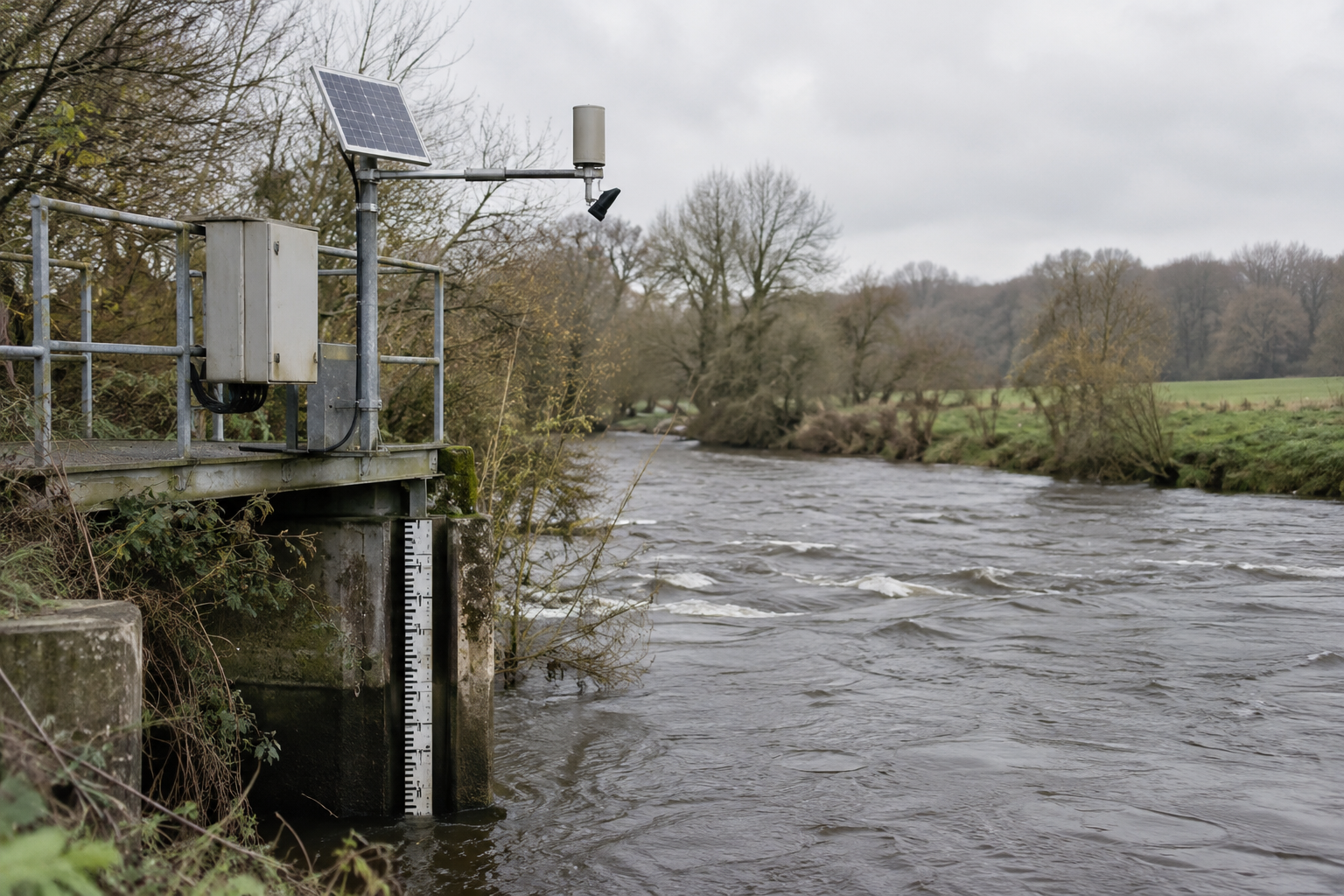
According to the report, data, modelling and technology will be examined for their potential to improve resilience decisions. Other research priorities concern the role of people and communities, and how insurance, finance, regulation and policy can provide incentives for investment.
Professor Stuart McLelland, Hull’s Professor of Water Science and a joint lead for PFRnet+, said responding to flood risk required closer coordination between researchers, industry, government and communities. He said shared priorities could help those groups develop innovations and the evidence needed to improve resilience.
Flood Industry reported that existing research groups will be connected with commercial, public sector and other non-academic organisations that have pledged support as founding partners. Planned activities include conferences, workshops, training, specialist interest groups and funded projects intended to turn research into practical applications.
The proposal also includes a Flexible Fund, supported by partners, for research, innovation and knowledge exchange, according to Flood Industry. Professor Jessica Lamond, UWE Bristol’s Professor of Real Estate and Climate Risk and the network’s other joint lead, said the collaboration would help academia and industry establish which approaches work and why.
The background
The FloodReady Action Plan, published during Flood Action Week in 2025, committed UK Research and Innovation (UKRI) to establishing a network addressing PFR research and innovation needs, according to Flood Industry. The report described PFRnet+ as delivering on that commitment.
Research and innovation was 1 of 6 priorities in the plan, Flood Industry reported. Its recommendation called for infrastructure able to respond to changing research needs, followed by a research roadmap, initial projects and experimental testbeds.
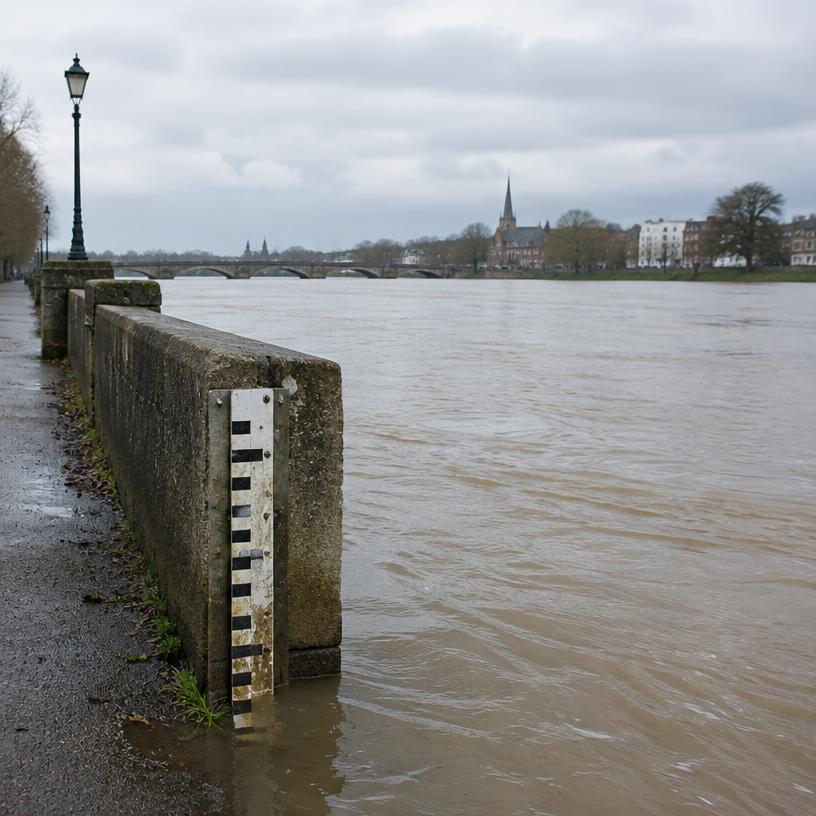
The plan projected that around 8 million properties in England could face flood risk by mid-century, equivalent to 1 in 4 properties, according to the report. It identified PFR as a means of limiting flood impacts and helping households and businesses recover sooner.
Hull’s Property Flood Resilience Innovation and Testing Laboratory (PFRlab) was developed with the Environment Agency and Flood Re, Flood Industry reported. Beyond its product testing role, the laboratory supports manufacturers seeking to improve existing products or develop new ones.
UWE Bristol’s research on implementing PFR has helped support changes in UK flood-risk management policy and practice, according to Flood Industry. Lamond said the university works with stakeholders to develop expertise and confidence in PFR; she also described a planned evidence resource bringing together research findings, performance data and examples of best practice.
What people are saying
Professor Jessica Lamond said flooding was the UK’s most expensive natural hazard and affected the widest area. She said stronger national capabilities were needed to inform the response to a problem affecting millions of people.
Professor Stuart McLelland described flooding as a major environmental challenge. He said Hull’s facilities and established expertise supported its contribution to developing technologies that could improve the flood resilience of homes and businesses.
What happens next
Flood Industry gave no amount for the proposed Flexible Fund. Although its report described partner support for the fund, it did not set out individual contributions or explain how applicants would access support for flood research.
The report also gave no publication date for the roadmap or timetable for the planned funded projects, training and events.