What happened
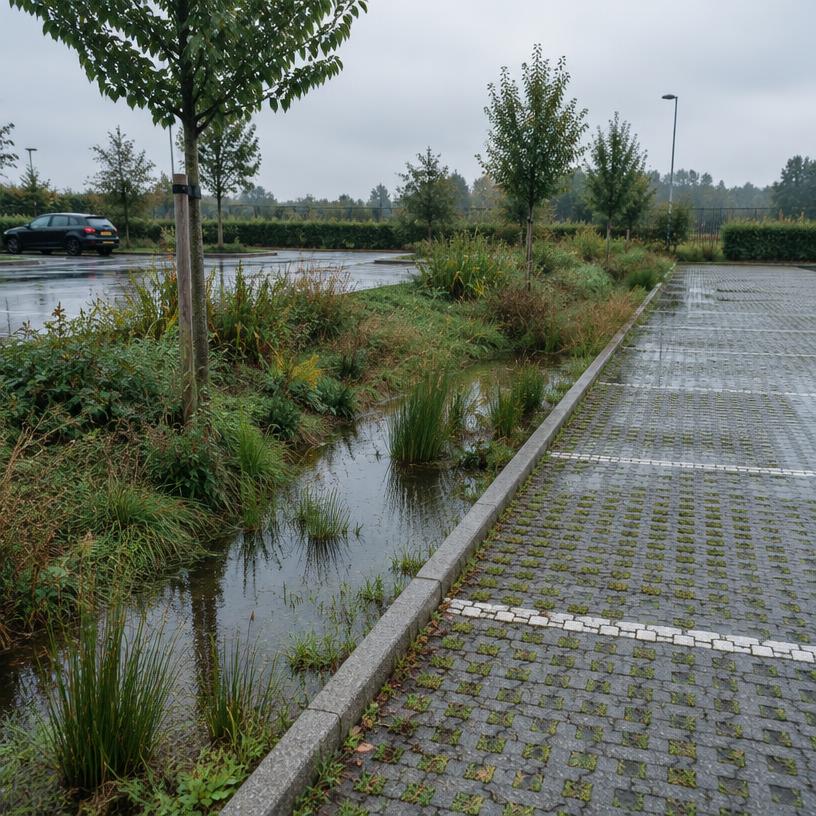
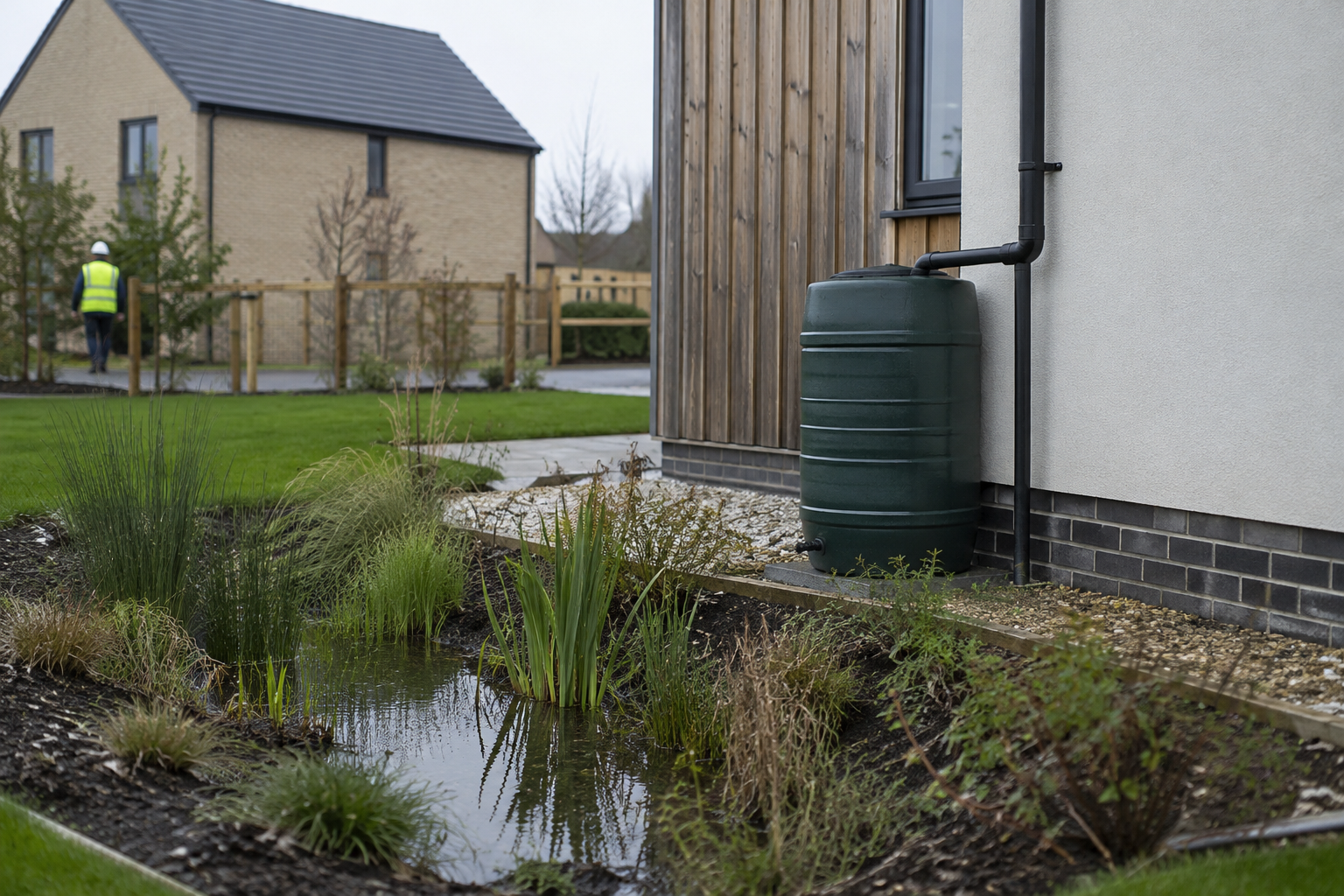
Water Minister Emma Hardy supported managing rainfall at source through sustainable drainage systems (SuDS), nature-based solutions and rainwater harvesting during a Commons water management debate led by Taunton and Wellington MP Gideon Amos, according to Flood Industry’s report of 1 October 2026.
Hardy favoured dealing with rain where it lands instead of routing it into sewer networks already under pressure, the publication reported. It did not give a date for the debate.
The discussion followed parliamentary questions about England’s water resources, according to Flood Industry. MPs had asked about preparedness for drought and future shortages, as well as progress towards providing new reservoirs and the reasons existing storage had not been fully replenished.
MPs also challenged the Government over whether higher customer bills would produce improvements in sewage discharges, leakage and pollution, the publication reported. Their questions covered ageing infrastructure alongside the availability of water supplies.
The background
Flood Industry’s account of the Government’s national SuDS standards places rainwater harvesting within the drainage hierarchy. It said demand for non-potable water is among the circumstances in which harvesting must be considered, alongside a development’s location in an area classified as seriously water-stressed.
The standards seek to keep the first 5 mm of rain on site during the majority of rainfall events, according to the publication. That objective covers runoff that would otherwise leave for either surface waters or piped drainage systems.
Flood Industry identified 2 potential benefits from rainwater harvesting: lower demand for potable supplies and less surface water entering drainage and sewer networks. It said capturing rainfall can reduce both the volume reaching those networks and the rate at which it arrives.
The publication also reported a possible tighter local threshold within the Government’s Water Demand Environment Act Target Delivery Plan. Beyond its proposed national allowance for new homes, the plan envisages a potential limit of 100 litres per person per day where there is a clear local need.
On existing infrastructure, Hardy’s parliamentary answers cited a £104 billion investment programme provided for through the Water Services Regulation Authority’s (Ofwat) 2024 Price Review, according to Flood Industry. The programme includes improvements to almost 3,000 storm overflows and upgrades at more than 1,700 wastewater treatment works.
Her answers also identified around £700 million for work on water supply networks, the publication reported. That funding covers managing pressure, repairing leaks and replacing mains.
A further £1.7 billion supports the installation of approximately 10.4 million smart meters, according to Flood Industry’s account of Hardy’s responses.
What people are saying
Hardy urged MPs to consider housing decisions alongside the services and flood protection that development needs, according to Flood Industry’s account of the Commons debate. She called for planning to connect water supply, wastewater and drainage with flood resilience, rather than address each separately.
What happens next
Hardy confirmed that the Government is examining how new-home water-efficiency provisions in the Building Regulations could accommodate rainwater and greywater reuse where appropriate, Flood Industry reported. That work forms part of the review of standards for new homes.
According to the publication, the Government’s Water Demand Environment Act Target Delivery Plan proposes a standard of 105 litres per person per day, against the current 125 litres. This is a proposed change, not an adopted requirement; the source does not report that a replacement standard has taken effect.
The delivery plan also commits the Government to examining Part H of the Building Regulations to enable water reuse, according to Flood Industry. The publication gives no timetable for that review or for implementing changes arising from it.